
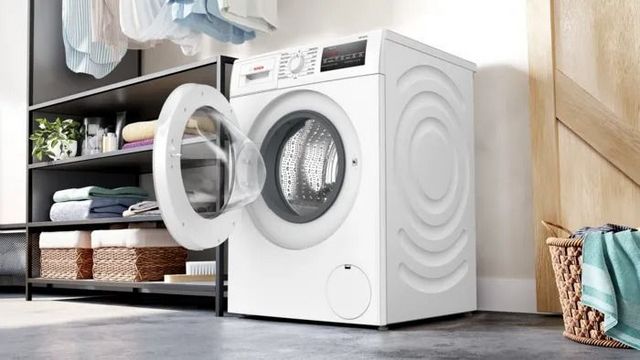
Strange odors coming from a washer can be frustrating, especially when you expect laundry to smell fresh and clean.
Unfortunately, washing machine smells are far more common than most homeowners realize, even with newer or high-end machines. Moisture, detergent residue, and everyday use can quietly create the perfect environment for odor-causing buildup.
Catching these smells early is key. Ignoring washing machine smells can lead to mold growth, plumbing complications, or even long-term appliance damage.
In this guide, we break down three of the most common washer odors, explain what causes them, and share practical solutions to help keep your laundry room fresh, functional, and stress-free.
➜ Learn More: 6 Reasons the GE Front Load Washer Stands Out
Mildew Odors and Hidden Moisture Problems
One of the most common complaints homeowners experience is a persistent mildew smell on clean clothes.
This odor usually points to trapped moisture inside the washer drum, door seal, or detergent drawer. When water and residue linger after a cycle ends, mildew can form quickly, especially in humid environments.
This issue is especially common with front-load machines, which rely on airtight seals to prevent leaks. Without proper front load washer maintenance, moisture can get trapped behind the gasket or inside internal components.
Simple habits like leaving the door open after cycles and wiping down seals play a major role in preventing mold and keeping laundry smelling fresh.
Rotten Egg Smells in the Laundry Room
If your laundry room smells like sulfur or rotten eggs, you may be dealing with a sewer gas smell in laundry room rather than a washer issue alone. This odor often indicates problems with drain traps, dry P-traps, or venting issues that allow sewer gases to escape back into the room.
These smells are commonly linked to underlying laundry room plumbing issues, such as infrequently used drains or improper installation. While the washer may seem like the culprit, the root cause often lies beneath the surface.
Addressing plumbing concerns early can prevent odors from spreading and protect your home’s air quality.
Moldy or Stagnant Water Smell
A stagnant or moldy water smell often points to buildup inside the washer’s hoses, filter, or pump. Over time, debris like lint, hair, and detergent residue can collect in these hidden areas, creating foul odors that resurface during wash cycles.
Learning how to clean washing machine drain pump components and running a regular washing machine tub clean cycle can significantly reduce these smells.
These maintenance steps help flush out trapped water and residue before they turn into persistent odor problems. Consistency is key when tackling recurring washing machine smells.
To clean your washing machine’s drain pump, follow these simple steps:
- Open your washer’s filter access door, which you’ll find on the bottom right-hand corner of your machine. It’s a small, rectangular door that typically opens with either a push-and-release mechanism or a flathead screwdriver.
- Unhook the emergency drain hose. It should be a rubber house with a clip holding it in place.
- Empty the hose. You’ll need a bowl and a towel. Hold the hose over the bowl, and remove the cap. Empty the bowl and repeat until there’s no more water flowing out, and if your bowl gets too full, put the cap back on while you empty your bowl.
- Remove the drain pump filter. The filter is a round dial that’s right next to your drain house. You need to rotate it counterclockwise until you can remove the filter.
- Clean the drain pump filter. To clean your filter, wash it in the sink and rinse away any gunk and grime.
- Put the filter and hose back into place. Lock the filter into place by turning it counterclockwise. Put the cap back on your emergency drain hose, and resecure your hose inside the washer. Finally, close the access door you opened in step one.
➜ Learn More: The Real Difference in Speed Queen Front Load Washing Machines
How to Remove and Prevent Washer Odors

Eliminating odors requires more than just masking the smell; you have to remove the source. Follow these steps to deep clean your machine and keep it fresh.
1. Target the Source (The Deep Clean)
To remove mold and grime effectively, focus on these three high-moisture areas:
- The Gasket: Wipe down the rubber door seal with a mix of water and vinegar. Check the folds for trapped debris or socks.
- The Dispenser Drawer: Remove the drawer entirely and scrub away any detergent buildup or black spots.
- The Drum: Run a "Clean Washer" cycle (or a hot water cycle) using a dedicated cleaner or 2 cups of white vinegar.
2. Natural Cleaning Solutions
If you prefer eco-friendly maintenance, these household staples are highly effective:
- White Vinegar: Disinfects and cuts through hard water scale.
- Baking Soda: Deodorizes the drum and neutralizes acidic odors.
3. Proactive Prevention Tips
Preventive care is the easiest way to extend your appliance's life and stop smells before they start:
- Leave the Door Open: Keep the door or lid ajar after every wash to allow the drum to air dry.
- Use the Right Detergent: Use only the recommended amount of HE (High Efficiency) detergent to prevent sudsy buildup.
- Wipe the Seal: Quickly dry the rubber gasket after your final load of the day.
- Monthly Maintenance: Schedule a deep clean once a month to prevent bacteria from colonizing.
High-Quality Washing Machines You Can Trust
If you’re considering upgrading to a front-load washing machine, we recommend these three models from GE, Speed Queen, and Bosch.
GE 2.4 Cu. Ft. White Front Load Washer with Steam

Shop GE 2.4 Cu. Ft. Front Load Washer with Steam
This compact GE front-load washer delivers powerful performance in smaller spaces, making it ideal for apartments, condos, or secondary laundry rooms.
Steam technology penetrates fabric fibers to loosen tough stains while protecting delicate materials, and the stainless steel basket resists rust and wear over time.
With fast spin speeds and ENERGY STAR qualification, it balances efficiency, cleaning power, and convenience for busy households seeking reliable results.
Top Features
- Steam stain removal
- Stainless steel basket
- 1400 RPM spin speed
Speed Queen FF7 3.5 Cu. Ft. White Front Load Washer

Shop Speed Queen 3.5 Cu. Ft. White Front Load Washer
Built for longevity, the Speed Queen FF7 is engineered for decades of dependable performance, making it a smart investment for families who prioritize durability.
Tested to 10,400 cycles, this Speed Queen washer delivers consistent cleaning results while offering specialized cycles like Pet Plus and sanitize options.
Its robust construction and industry-leading warranties make it ideal for homeowners who want peace of mind and commercial-grade reliability.
Top Features
- Stainless steel inner and outer tubs
- Sanitize with Oxi cycle
- Pet Plus flea and hair removal cycle
Bosch 500 Series 2.4 Cu. Ft. White Front Load Compact Washer

Shop Bosch 2.4 Cu. Ft. Front Load Compact Washer
The Bosch front load washer combines advanced wash technology with smart features for modern living.
The 4D Wash System ensures spotless results even at full capacity, while ActiveWater Plus optimizes water usage based on load size.
With quiet operation, app connectivity, and quick wash options, this front-load washer is perfect for tech-savvy households seeking efficiency without sacrificing performance.
Top Features
- 4D Wash System
- ActiveWater Plus load sensing
- SuperQuick 15/30 wash cycles
When to Call a Professional
Some dishwasher odors signal problems beyond routine maintenance. Persistent sewer or mold smells, especially after cleaning efforts, may indicate deeper drain or ventilation issues that require expert attention.
Warning signs include slow drainage, gurgling sounds, or odors spreading beyond the washer. A professional assessment can prevent costly damage and ensure your appliances operate safely and efficiently.
Our appliance service technicians are ready to handle your washer needs, regardless of whether it’s under warranty.
➜ Learn More: Washing Machines with Agitators: Pros & Cons
Fix Washing Machine Smells Before They Get Worse
Understanding the meaning behind common washer odors makes it easier to act quickly and confidently.
From mildew and stagnant water to sewer gas, each smell tells a story about what’s happening inside your appliance or plumbing. Addressing washing machine smells early helps protect your washer, your clothes, and your home.
Routine cleaning, proper usage habits, and timely professional support can make all the difference. If odors persist or you’re ready to upgrade, our team at Slager Appliance is here to help you find solutions that keep your laundry routine fresh and reliable.
Frequently Asked Questions
A rotten egg smell usually indicates sewer gas entering the laundry room through a drain or vent issue. This can happen if a drain trap dries out or if there are plumbing blockages. While it may seem like a washer problem, the cause is often related to plumbing rather than the machine itself.
Musty odors are typically caused by trapped moisture and residue. Regular gasket cleaning, leaving the door open after use, and running a tub clean cycle can help eliminate the smell. Consistent maintenance is essential for preventing it from returning.
Bleach can be effective for disinfecting, but it should be used sparingly and according to manufacturer guidelines. Overuse can damage seals and internal components. Many homeowners alternate bleach with gentler cleaning methods for balanced results.
Yes, clogged drains can trap dirty water and allow odors to rise back into the washer. This often leads to stagnant or sewer-like smells during or after cycles. Addressing drain blockages promptly can prevent recurring odor issues.
Most manufacturers recommend running a tub clean cycle once a month. Homes with frequent laundry loads or high humidity may benefit from more frequent cleaning. Regular cycles help flush out residue before odors develop.
Yes, mold growth inside a washer can transfer odors and spores to freshly washed laundry. This often results in clothes smelling musty even after washing. Removing mold and maintaining dry conditions inside the washer helps prevent this issue.
Why Trust Slager Appliances?
Founded over 70 years ago, Slager Appliances is a family-owned, independent appliance retailer based in Iowa City, IA. Slager has competitive prices and industry knowledge in delivering and installing all major appliance brands. Large enough to offer competitive pricing yet small enough to continue offering the “white glove” service we pride ourselves on, our focus is always on the customer experience — from the first step into a showroom to the purchase transaction to well after your new appliance has been installed.
Whether you need to replace an old appliance, or if you’re remodeling and need an entire kitchen full of new brand-name products, we are with you all the way. We will work with you to find a product that fits your needs, budget, and lifestyle.
Shop Quality Washers Appliances
Don’t put off until tomorrow what you can do today, and shop laundry online at Slager Appliances. Our friendly experts are always happy to help you find the best washer for your home— whether you call us at 319-337-3833, email us, or use our online chat feature. Better yet, stop by any of our Slager Appliances in Iowa City, IA. Visit us today!