
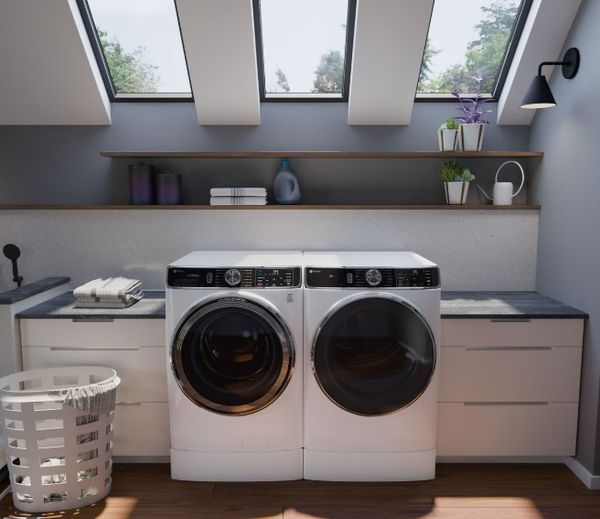
You toss in a full load of laundry, press start, and expect to hear the familiar rhythm of the drum turning—only to discover that your dryer has suddenly stopped moving.
It’s frustrating, unexpected, and wildly inconvenient, especially when you’re counting on a clean outfit or fresh linens. Most homeowners will run into a dryer not spinning situation at some point, and the good news is that many of the causes are simple and manageable.
A malfunctioning dryer often stems from common, identifiable issues like faulty belts, worn rollers, or tripped breakers. By knowing what to look for, you can safely determine if it's a simple DIY fix or requires professional repair.
If a repair isn't feasible, we have curated a list of the top-rated dryers in 2026, based on industry reliability and drying performance.
➜ Learn More: Which GE Profile Washer and Dryers Are Worth the Cost?
Check These Quick Fixes Before Opening the Dryer
Before taking anything apart, it’s essential to rule out a few simple issues, ones that often solve the problem without tools or disassembly.
Many customers call us in a panic about a dryer not spinning, only to discover that a small oversight was the culprit. These quick checks can save you time, effort, and potentially a repair bill.
Quick Checklist:
- Ensure the dryer door is fully closed and latching properly.
- Check if the dryer circuit breaker tripped to make sure power hasn’t been interrupted.
- Test whether the drum spins freely by hand.
- Listen for unusual noises such as humming or clicking.
- Confirm that the dryer isn’t overloaded.
If any of these quick checks reveal the issue, you may have avoided a deeper troubleshooting process altogether. But if your dryer still won’t spin, it’s time to move on to more detailed inspections.
Examine the Drive Belt and Idler Pulley
The first issue we’ll cover is the classic “dryer motor running but drum not turning” situation. This is often caused by a broken or loose drive belt, the component responsible for connecting the drum to the motor. Over time, belts naturally wear out, fray, or snap, leaving the drum unable to rotate even though the dryer’s electrical components still function.
The dryer idler pulley plays an important role here by keeping the belt properly tensioned. When this pulley wears down or becomes misaligned, the belt may slip or lose tension, preventing rotation.
A quick visual inspection can reveal obvious clues such as cracks, stretching, or separation in the belt. The good news? Replacing this component is typically an easy fix for dryer not spinning issues if you’re comfortable with moderate DIY tasks.
If the belt and idler pulley both look intact, proceed to check other moving components, such as drum rollers or glides. Problems with these parts often produce noticeable sounds before complete failure.
Thumping or Grinding Noises? Your Drum Rollers Could Be the Culprit
If your dryer has been making unusual noises, or if you noticed your dryer making a thumping noise but won’t spin, the drum rollers may be to blame.
These rollers help support the drum and keep it rotating smoothly. When they wear out, you may hear squeaking, grinding, or rhythmic thumping, especially when starting a cycle. This is often one of the earliest signs that it’s time to look up how to check a dryer drum roller and evaluate the condition of your rollers.
Manually rotating the drum can help you identify grinding or scraping. If the rollers or glides are worn, they may create resistance that’s strong enough to prevent the drum from turning altogether. At this point, many homeowners consider whether to research how to replace dryer drum glides and rollers or to call a professional.
DIY Replacement vs. Professional Repair: Pros and Cons
Should you try to fix this issue on your own or call in a repair pro? How do you know when to call in help? Here are some factors to consider:
| Repair Option | Pros & Cons |
|---|---|
| DIY Repair |
Pros: Lower cost; straightforward component replacement on many models; helpful step-by-step online tutorials available. Cons: Requires panel disassembly; risk of misalignment if installed incorrectly; time-consuming for beginners. |
| Professional Service |
Pros: Fast, accurate diagnosis; proper installation with safety checks; warranty-backed repairs. Cons: Higher upfront cost; possible appointment wait times. |
Continuing to use a dryer with worn rollers can eventually strain the motor and cause more severe issues. Whether you DIY or hire a pro, addressing the problem early helps prolong your dryer’s lifespan and restore smooth performance.
➜ Learn More: 8 Benefits of a Smart Washer and Dryer
Test the Door Switch and Thermal Fuse
Another common reason for a dryer not spinning is a faulty door switch. This safety feature prevents the dryer from operating when the door is open.
If the switch breaks, the dryer won’t start even if the drum and motor are functioning. Learning how to troubleshoot broken dryer door switch issues can be incredibly useful. You can manually test the switch using a multimeter or continuity tester to determine whether electrical current is passing through.
Similarly, a blown thermal fuse can shut down your dryer entirely. Many homeowners first notice dryer thermal fuse blown symptoms, such as the dryer running without heat, shutting off mid-cycle, or not starting at all. The fuse is designed to prevent dangerous overheating, so when it fails, the dryer may refuse to spin or start as a safety precaution.
Both components are inexpensive and relatively easy to replace once identified, making them accessible starting points for diagnosing more complex issues.
DIY Fix or Professional Help? Here’s How to Decide
While many causes of a dryer not spinning fall into the DIY-friendly category, there are situations where expert help is the safer choice.
If your motor emits a burning smell or hums without turning the drum, internal failure may be imminent. Electrical problems, including repeated fuse failures, should also be handled by professionals, as should any situation where you feel uncertain about disassembly.
At Slager Appliances, we partner with experienced service technicians who can diagnose and repair dryer issues quickly and efficiently.
Whether it’s identifying why your dryer is making noise but not starting or diagnosing why your dryer stops spinning when loaded but runs when it’s empty, our professionals can provide peace of mind and reliable solutions.
➜ Learn More: 5 Best Electric Dryers [+ 3 Worst]
Shop Reliable Replacement Dryers at Slager
Sometimes your dryer isn’t worth repairing, and that’s when it’s time to upgrade. Here are four exceptional options for your next dryer purchase.
GE 7.8 Cu. Ft. White Smart Front Load Electric Dryer with Sanitize Cycle
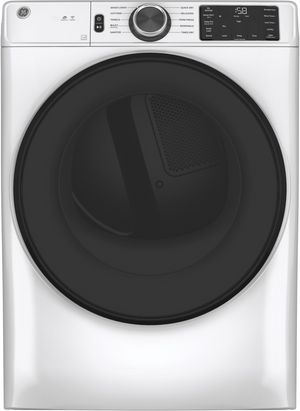
Shop GE 7.8 Cu. Ft. Dryer with Sanitize Cycle
This GE dryer is ideal for busy households wanting smarter control and powerful performance. With sensor drying, a sanitize cycle, damp alerts, and flexible venting options, it prevents over-drying while keeping your laundry fresh and protected.
Wi-Fi control and real-time notifications make it perfect for tech-savvy families who want convenience without sacrificing reliability.
Top Features
- Wi-Fi powered by SmartHQ for real-time monitoring
- Sanitize Cycle for higher cleaning performance
- Sensor Dry with dual thermistor technology
Speed Queen DF7 7.0 Cu. Ft. White Front Load Electric Dryer
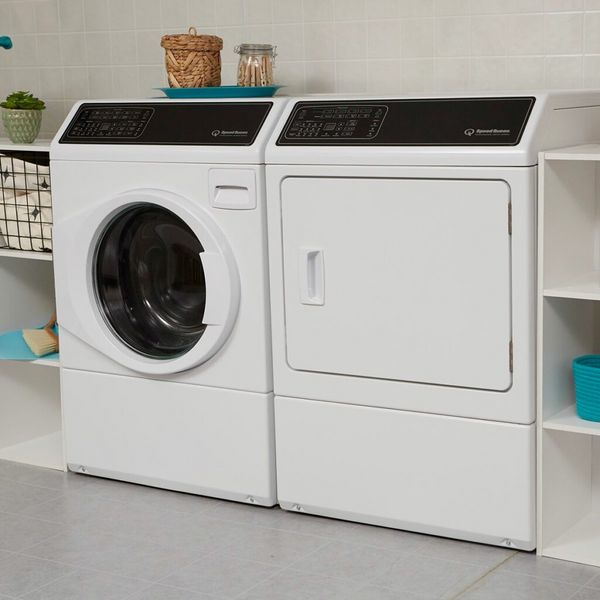
Shop Speed Queen 7.0 Cu. Ft. Front Load Dryer
Designed for durability and exceptional care, this Speed Queen dryer shines for homes with pets or frequent laundry needs.
Steam cycles help refresh, sanitize, and reduce wrinkles while over-dry protection ensures your clothing lasts longer. Built with commercial-grade reliability and American-made quality, it’s a great fit for families who want long-lasting performance.
Top Features
- Pet Plus cycles for pet hair and item care
- Steam Boost and Steam Refresh for wrinkle reduction
- Over-Dry Protection Technology
Bosch 300 Series 24" White Front Load Electric Dryer
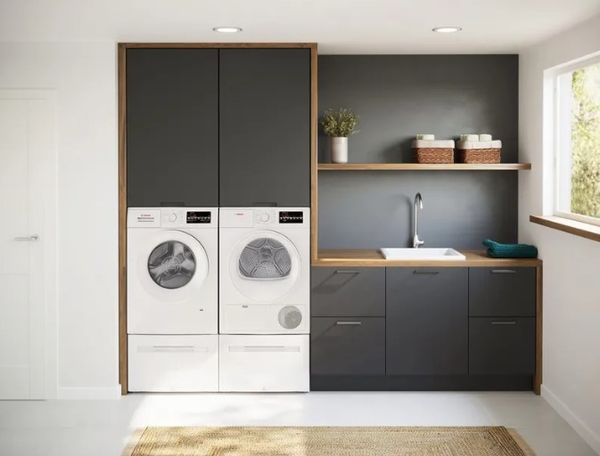
Shop Bosch 24" White Front Load Electric Dryer
This compact dryer from Bosch delivers excellent results without requiring ducting, making it perfect for apartments or small laundry spaces.
With sensor-controlled condensation drying and a spacious 4.0 cu. ft. drum, it dries loads thoroughly while being gentle on fabrics. It’s a great choice for users needing efficiency and space-saving design.
Top Features
- Condensation drying with no ducting needed
- Sensor-controlled drying for consistent results
- Compact 24” design with a 4.0 cu. ft. capacity
GE Profile 7.4 Cu. Ft. White Front Load Electric Dryer
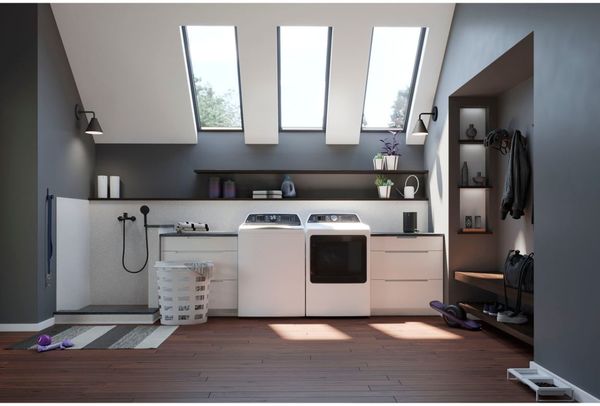
Shop GE Profile 7.4 Cu. Ft. Electric Dryer
Ideal for families wanting advanced features, this GE Profile dryer uses steam cycles, tangle control, and smart connectivity to deliver consistently smooth, fresh laundry.
Sensor drying protects fabrics, while long-vent capability and a My Cycle setting give you installation flexibility and personalized cycles. Its connectivity with SmartHQ adds convenience for busy households.
Top Features
- Steam for refreshing and dewrinkling
- Tangle Control technology for smoother loads
- SmartHQ connectivity with remote monitoring
Get Your Dryer Back in Action with the Right Fix
When you’re dealing with a dryer not spinning, the right approach starts with simple checks, followed by inspecting belts, rollers, switches, and fuses.
Many issues are solvable with basic tools, but professional repairs are available when needed. Whether you’re tackling the fix yourself or considering a replacement, Slager Appliances is here to help you get your laundry routine running smoothly again.
➜ Learn More: GE Spacemaker Washer Dryer: Pros, Cons, & Our Review
Frequently Asked Questions
You can remove the switch and use a multimeter or continuity tester to check whether it allows electrical flow when pressed. If it shows no continuity, the switch may need replacement.
Start by rotating the drum manually. If you hear scraping or thumping, the rollers or glides are likely worn. A loud humming or buzzing during operation often points to a motor issue instead.
Many homeowners can replace a belt with moderate DIY skill, but if accessing the belt requires extensive disassembly, a technician may be the safer option. Professionals can also ensure proper alignment and tension.
A blown fuse may prevent the dryer from starting, spinning, or heating. It typically fails when the dryer overheats or airflow is restricted.
Squeaking, grinding, or a loose belt are all common indicators. If the pulley doesn’t spin freely or shows signs of wear, it likely needs replacement.
This usually indicates a worn belt, a weak motor, or failing rollers that can’t support the extra weight. Inspecting these components can help identify the cause.
Why Trust Slager Appliances?
Founded over 70 years ago, Slager Appliances is a family-owned, independent appliance retailer based in Iowa City, IA. Slager has competitive prices and industry knowledge in delivering and installing all major appliance brands. Large enough to offer competitive pricing yet small enough to continue offering the “white glove” service we pride ourselves on, our focus is always on the customer experience — from the first step into a showroom to the purchase transaction to well after your new appliance has been installed.
Whether you need to replace an old appliance, or if you’re remodeling and need an entire kitchen full of new brand-name products, we are with you all the way. We will work with you to find a product that fits your needs, budget, and lifestyle.
Shop Dryers at Slager Appliances
Don’t put off until tomorrow what you can do today, and shop laundry online at Slager Appliances. Our friendly experts are always happy to help you find the best dryer for your home— whether you call us at 319-337-3833, email us, or use our online chat feature. Better yet, stop by any of our Slager Appliances in Iowa City, IA. Visit us today!